Bearing Homage To Artist Ellen Clapsaddle on Valentine’s Day
Views: 218
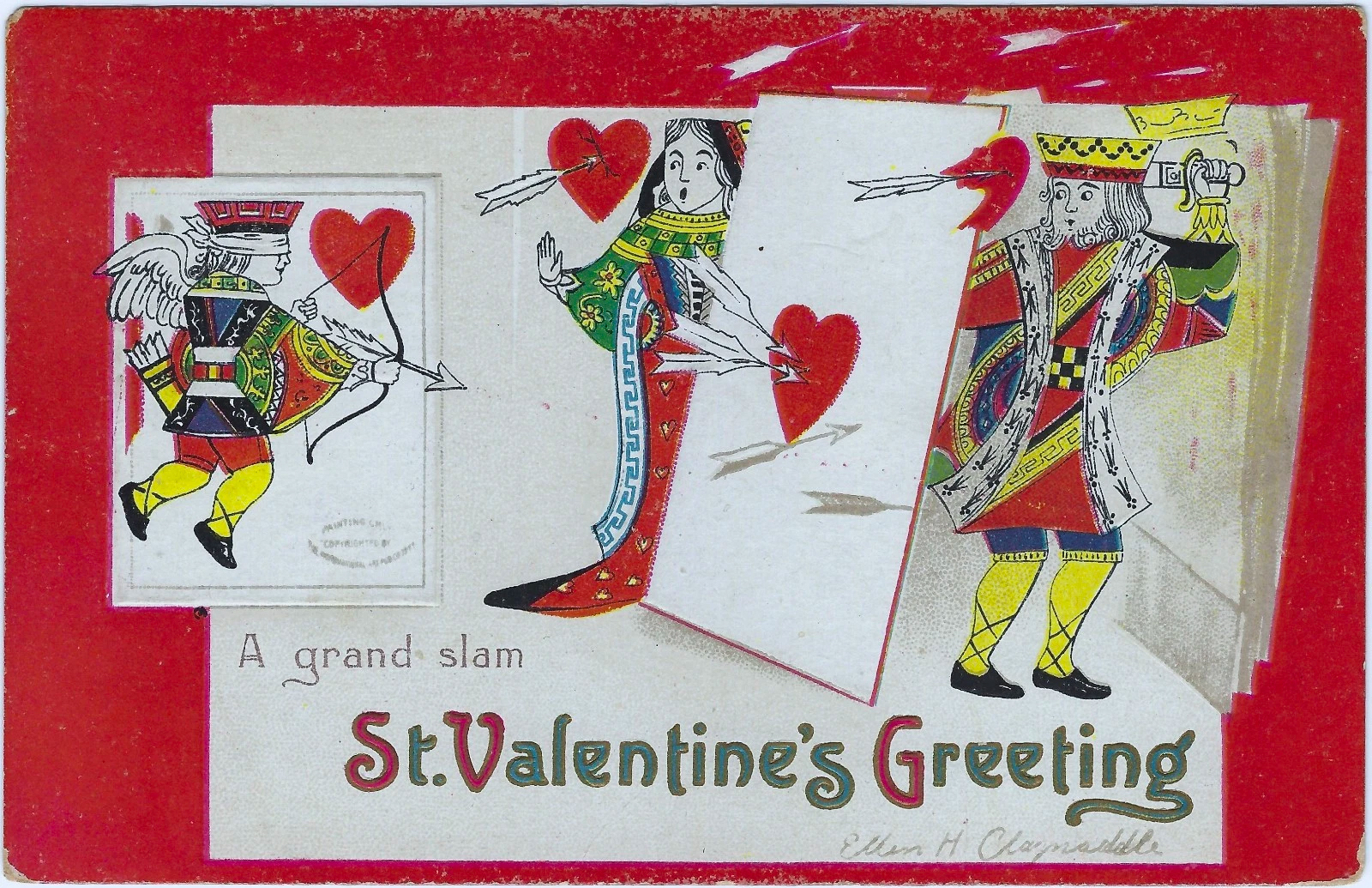
Timeless Love Through Golden Age Valentine’s Day Postcards
By Michael Perlman
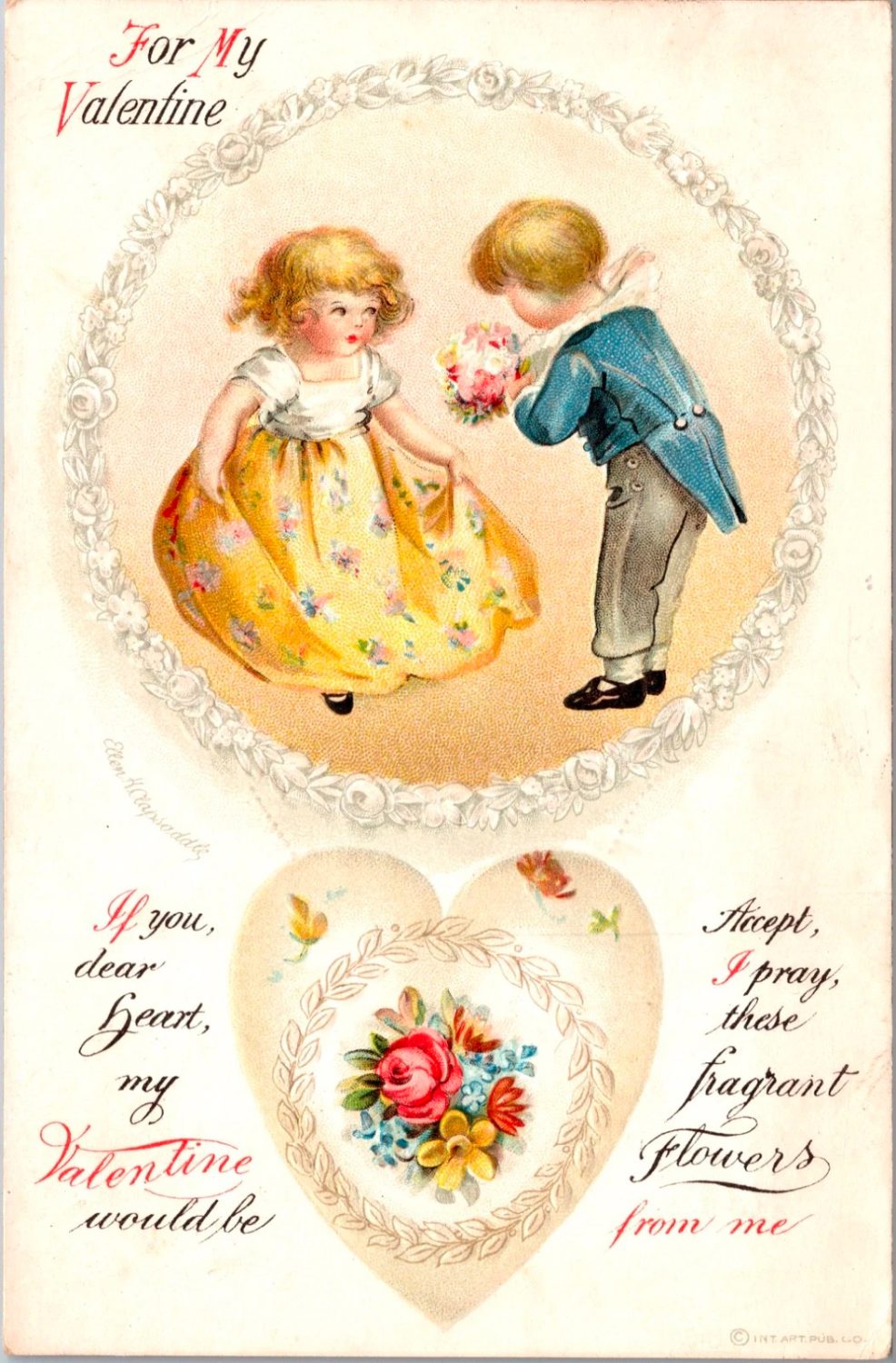
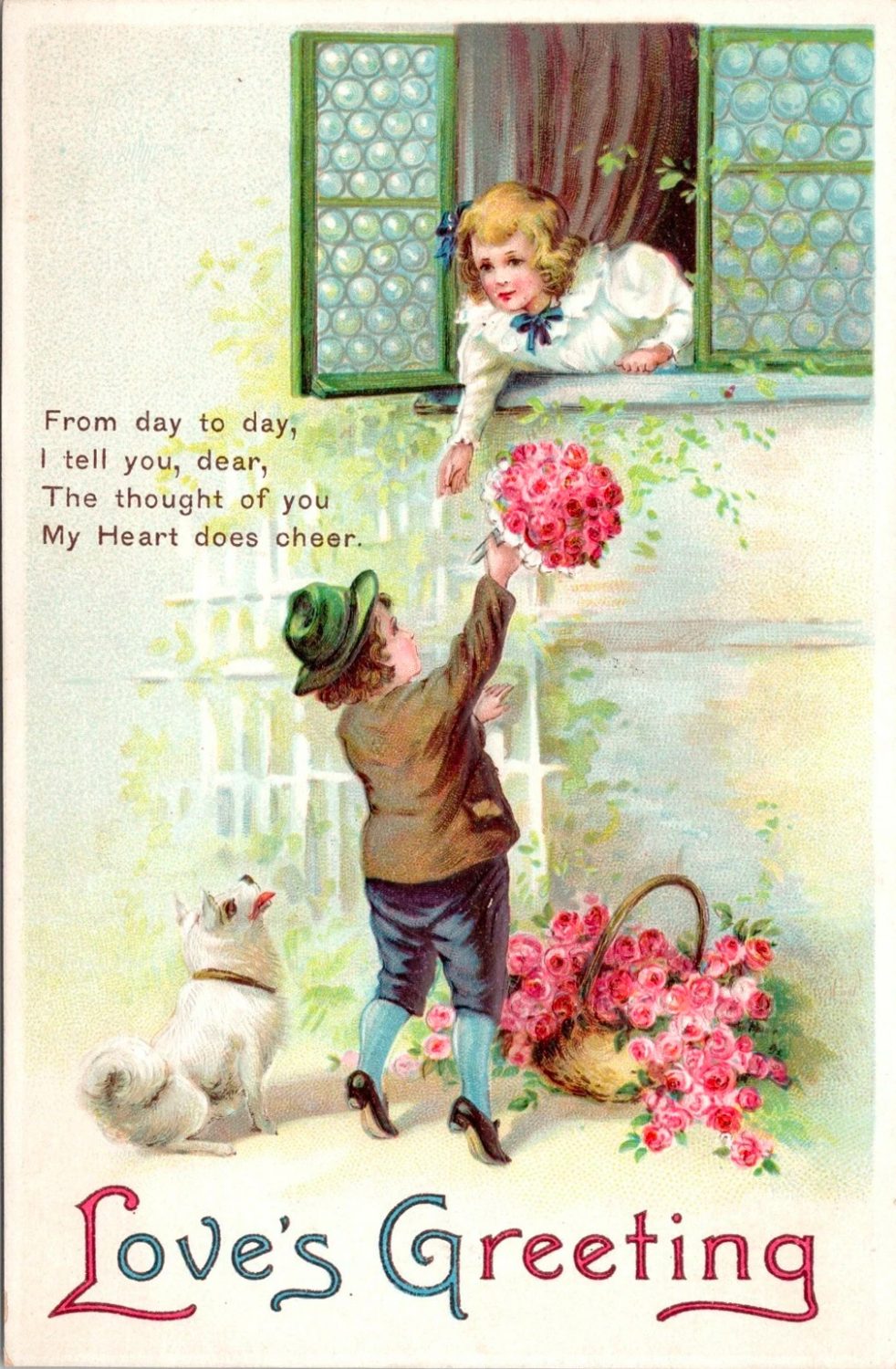
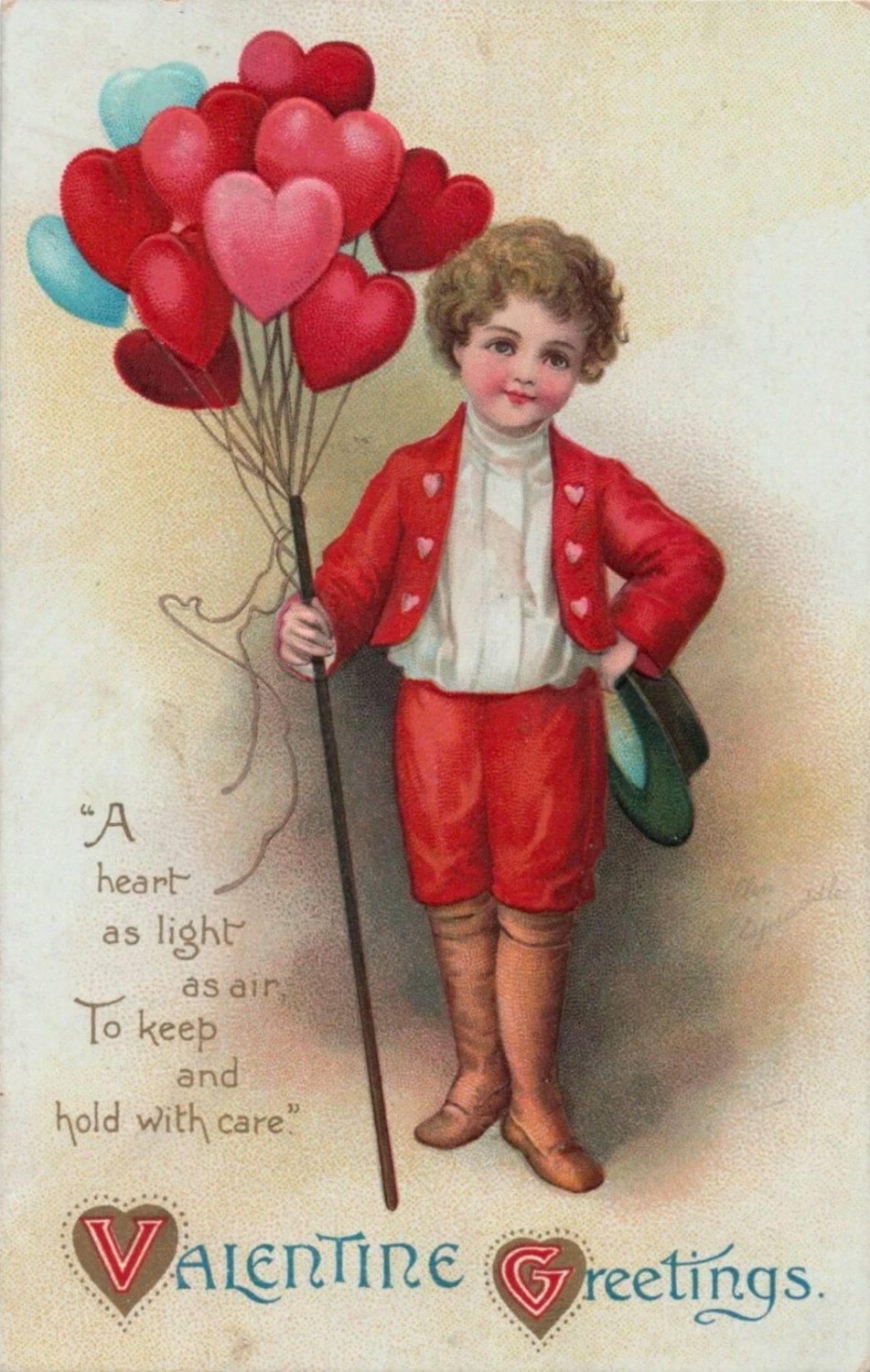
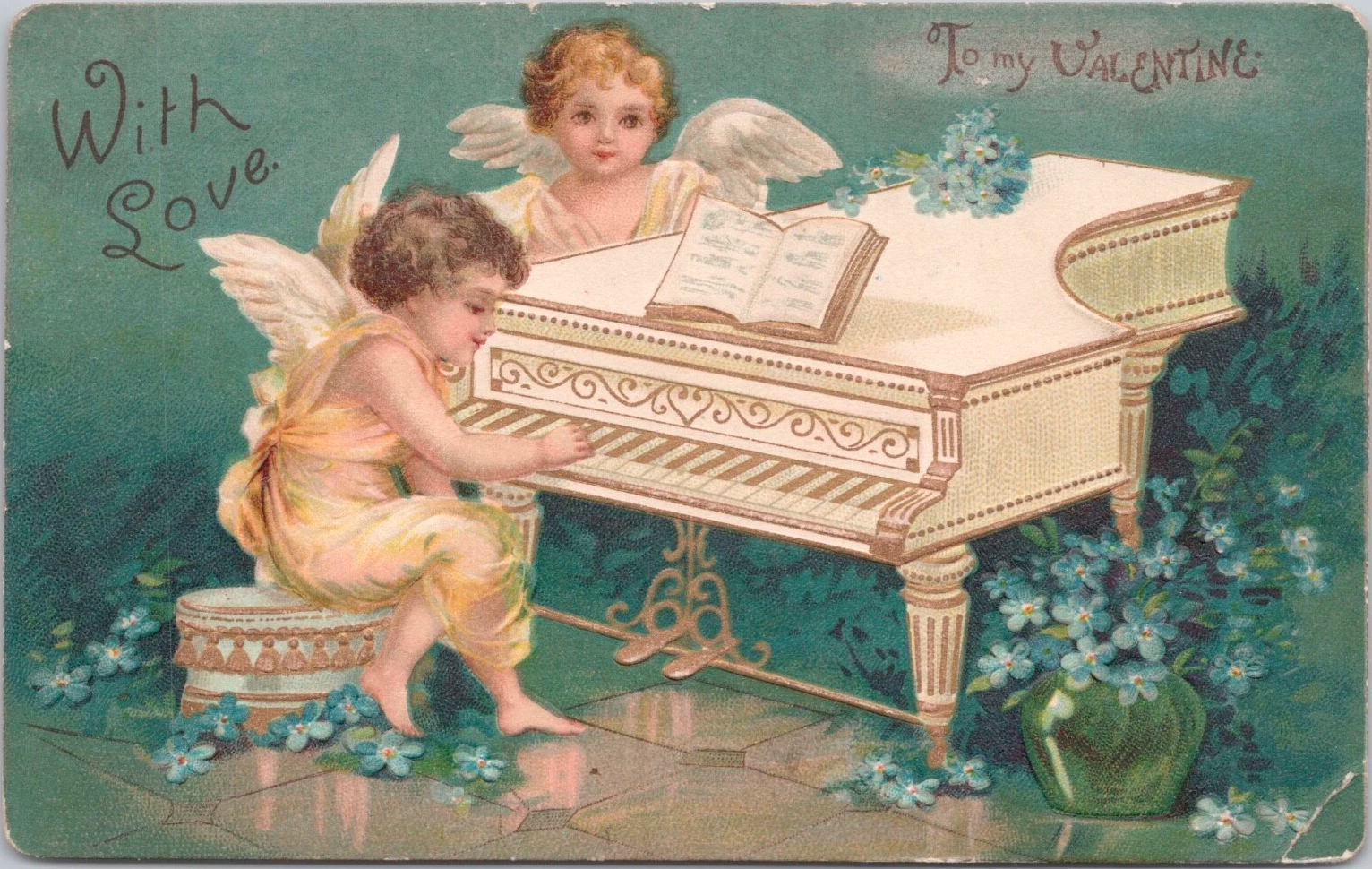
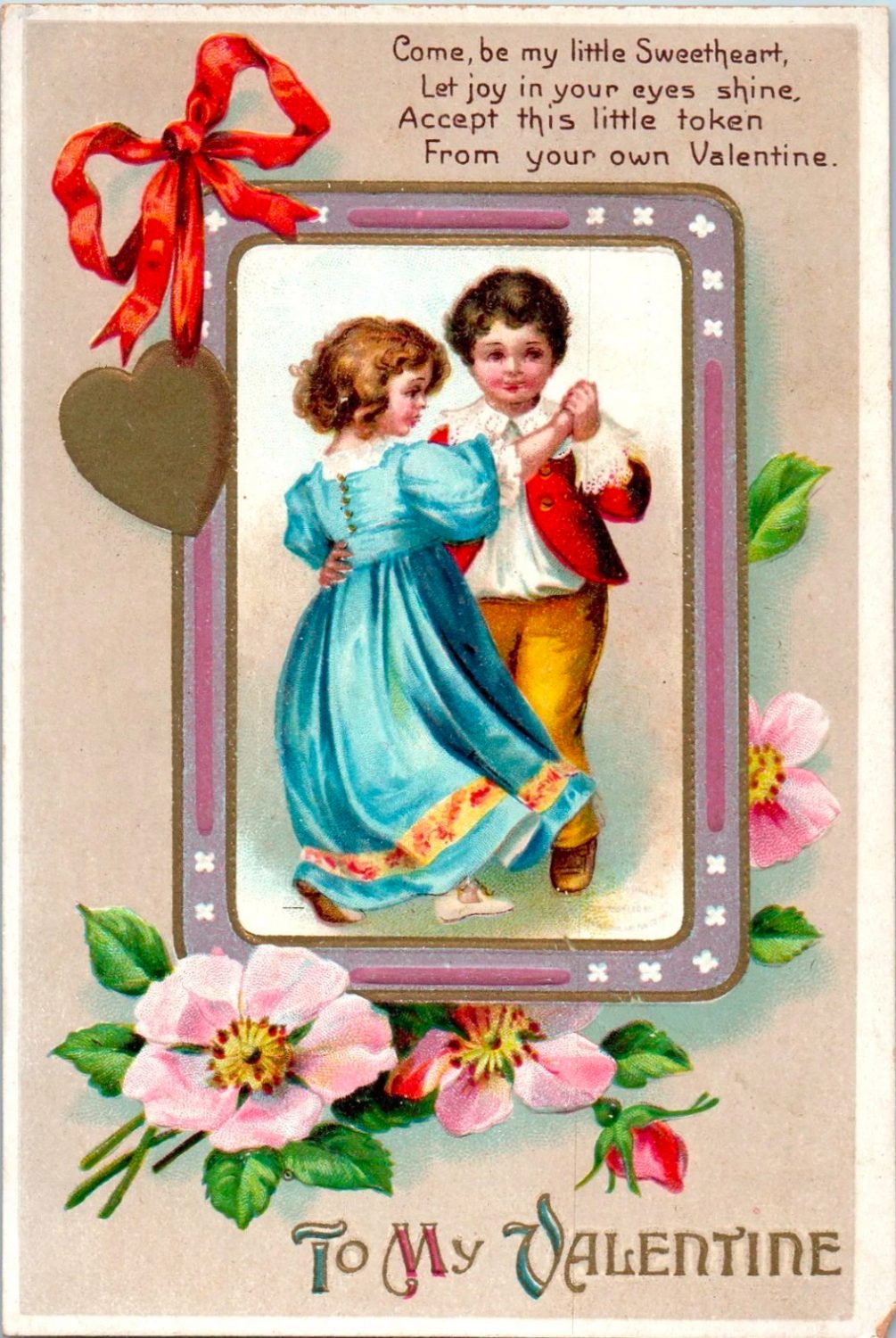
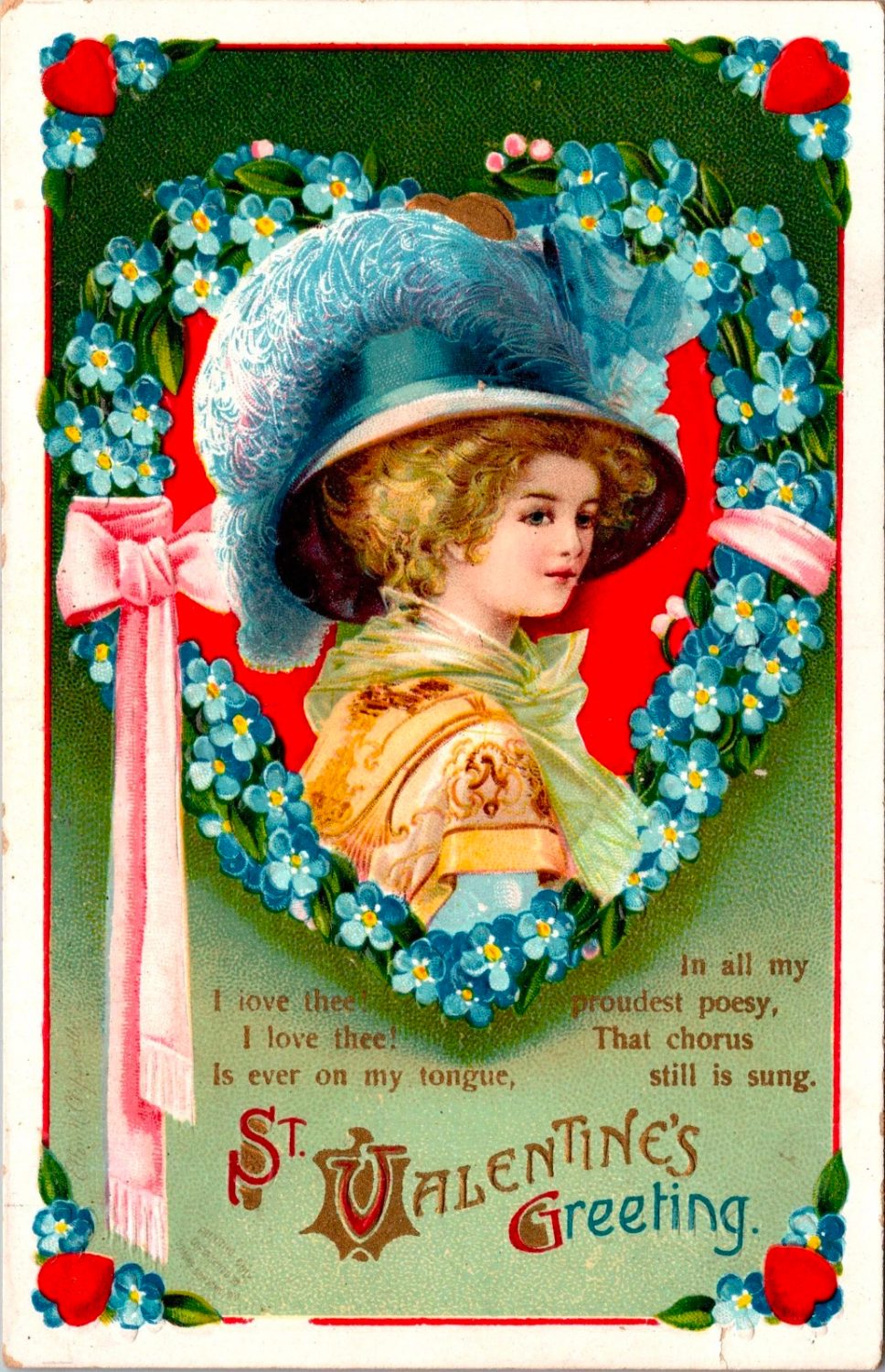
A majority of Valentine’s Day postcards are graceful and vivid lithographs, where some feature hand-colored scenes or illustrated couples, children, cherubs and flowers, along with romantic and eloquent greetings or poetry. The majority were published between 1898 and 1918, with those from the 1920s and 1930s in fewer quantities. Today, all are collectible works of art that range from a few dollars to over one hundred dollars, depending on their artistry, publisher, and rarity.
In 1873, the first American “picture postcard” was produced. Today, a significant number of postcards from the late 19th and early to mid-20th century exist in a good to optimal state with fine penmanship, and one-cent and two-cent stamps. Some Valentine’s Day postcards feature handwritten love notes with fountain pens, and as a result, the sender’s spirit and bond with the recipient, lives on.
Deltiology is the collection and study of postcards, which derives from “deltion,” a Greek term for a writing tablet or letter. A postcard collector is a deltiologist. Postcards were once found at your bookstore or corner pharmacy, including Forest Hills, but today, vintage postcards are found on eBay and at estate sales and postcard shows. Nearly every theme is represented, including hometowns, hobbies and holidays.
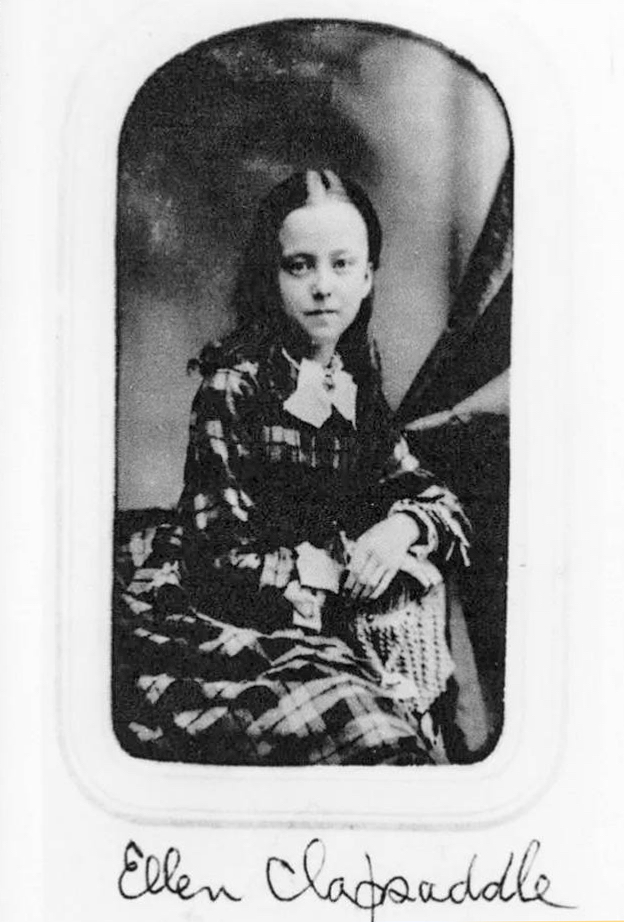
Ellen Clapsaddle at 13, Courtesy of Richfield Springs Historical Association & Museum
Postcard publishers and artists were in abundance, but among the most significant American illustrators and poets was Ellen Hattie Clapsaddle, who was born on January 8, 1865 in the small farming community of South Columbia, New York.
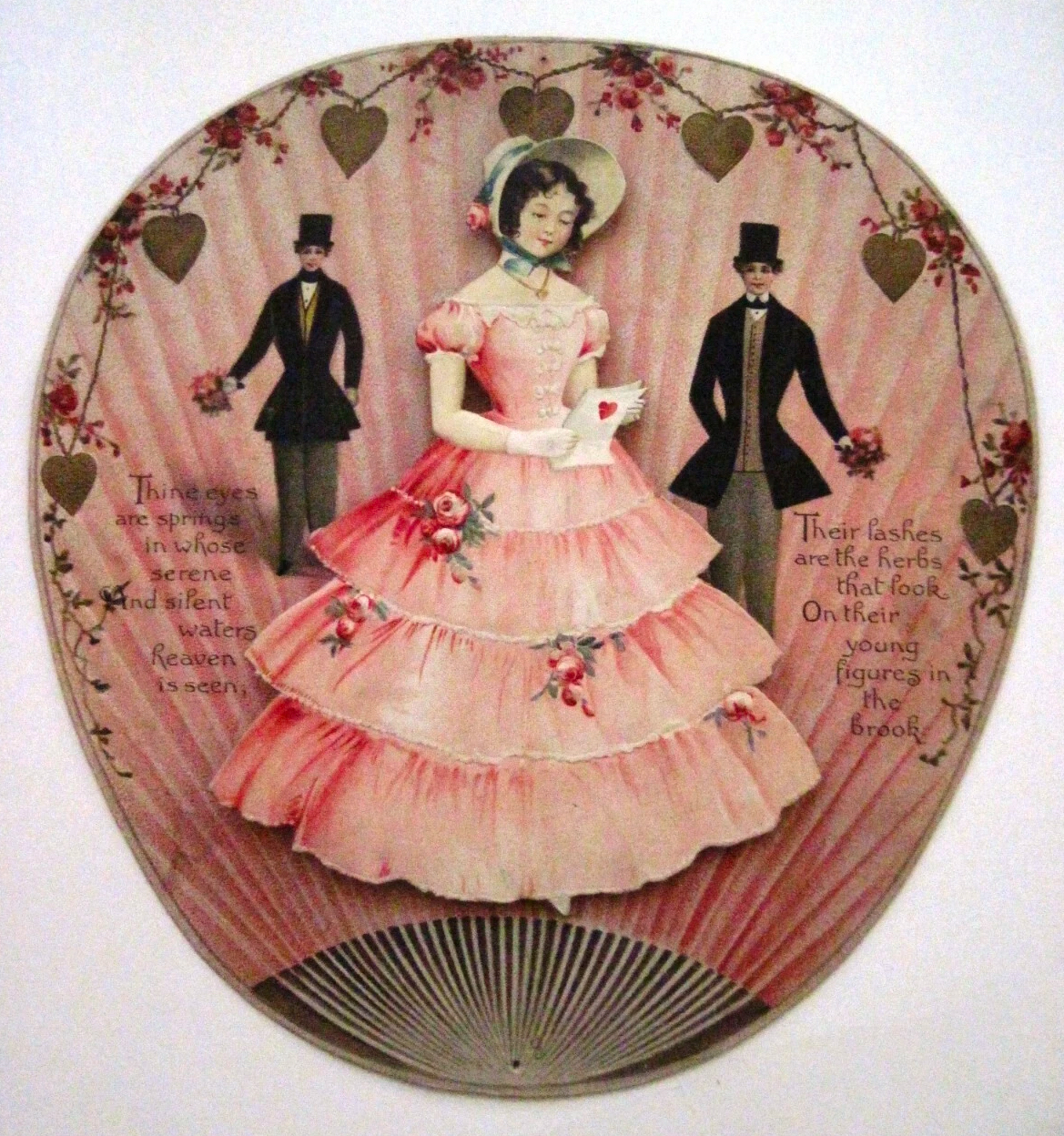
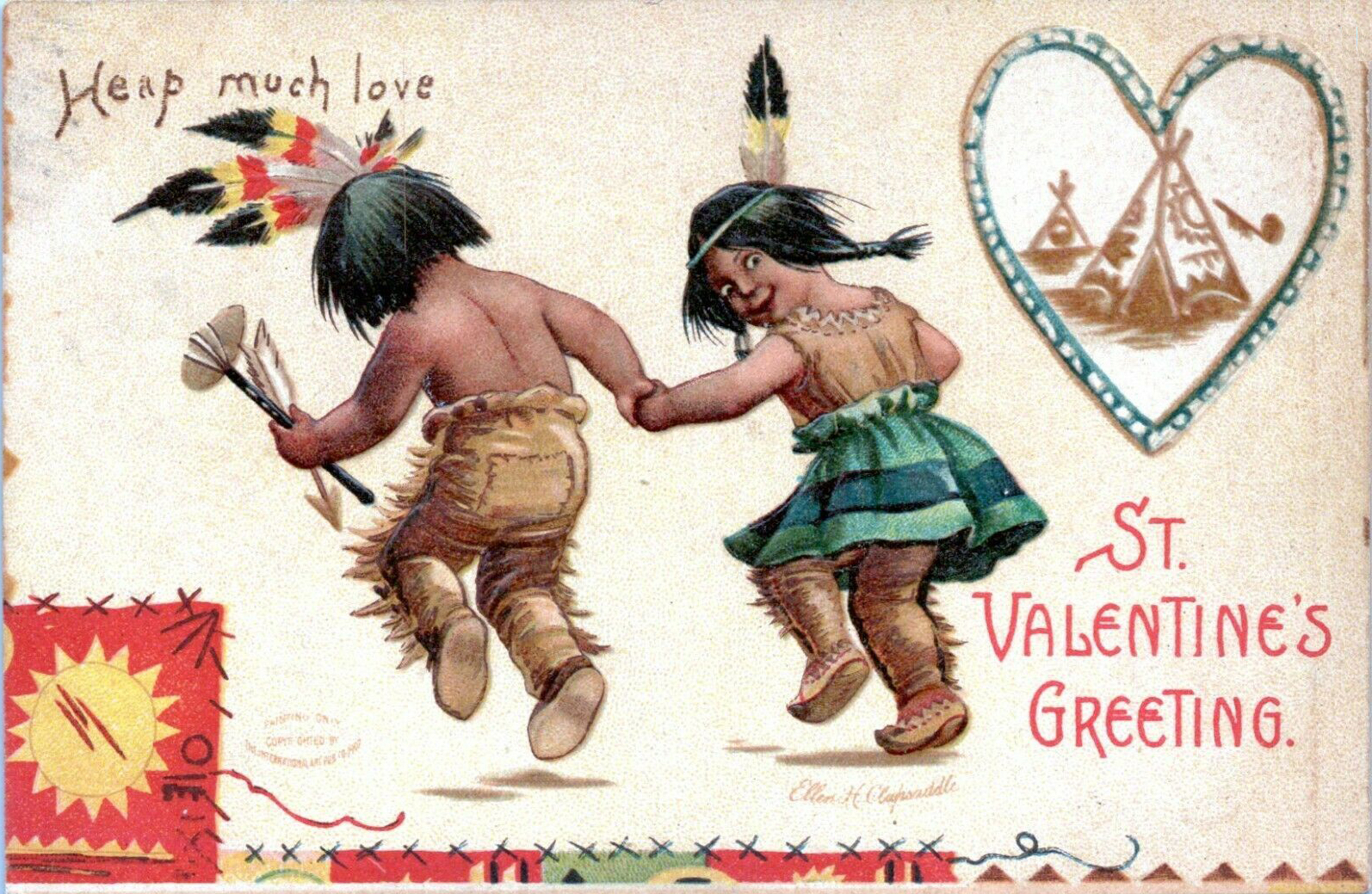
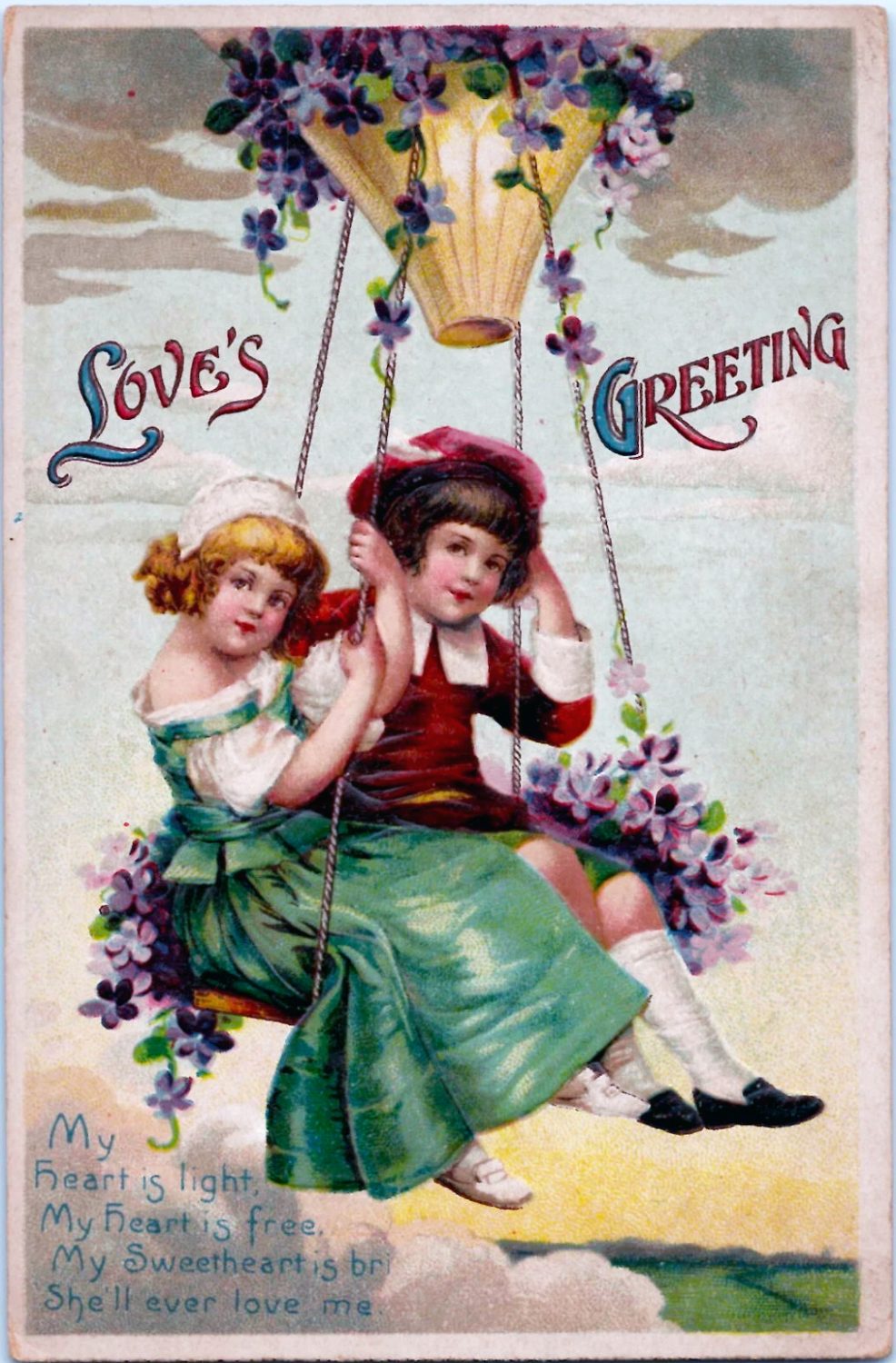
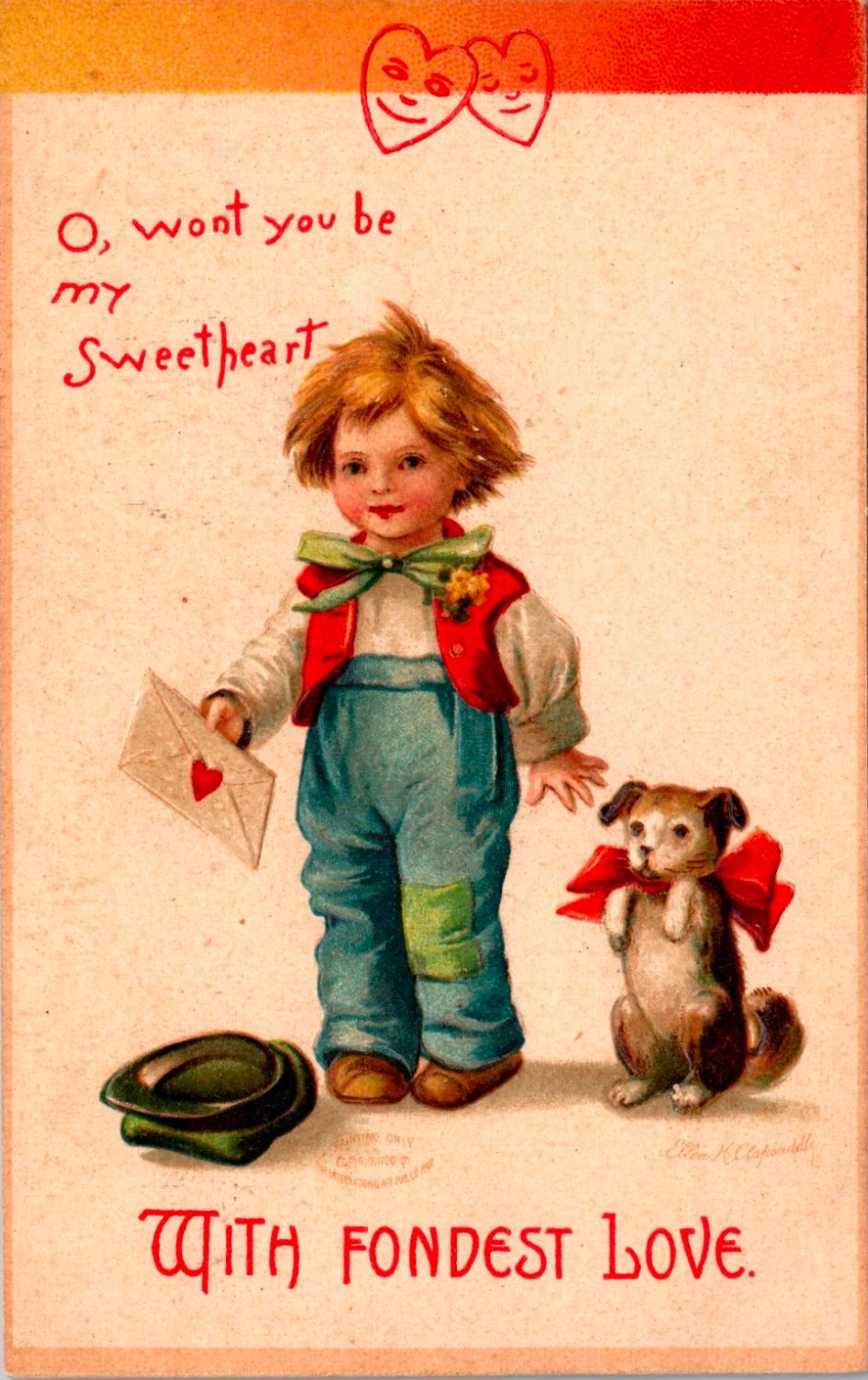
Clapsaddle’s artistic style would draw much admiration, resulting in her recognition as a most prolific postcard and greeting card artist of her era. She often signed the front of her postcards with her full name, and less often with her initials, E.H.C. She is responsible for influencing postcards to become more marketable, and achieved over 3,000 known designs. Her artwork was also featured on porcelain, trade cards, paper fans and calendars. Over half of postcards feature children of various cultures, although some of her designs feature other subjects. Her creations were influenced by children’s games, folklore, and nursery rhymes. Her illustrations on holiday postcards were prevalent, which became a creative expression for not only Valentine’s Day in the early 1900s, but Halloween, Thanksgiving, Christmas, St, Patrick’s Day, Easter, and patriotic occasions.
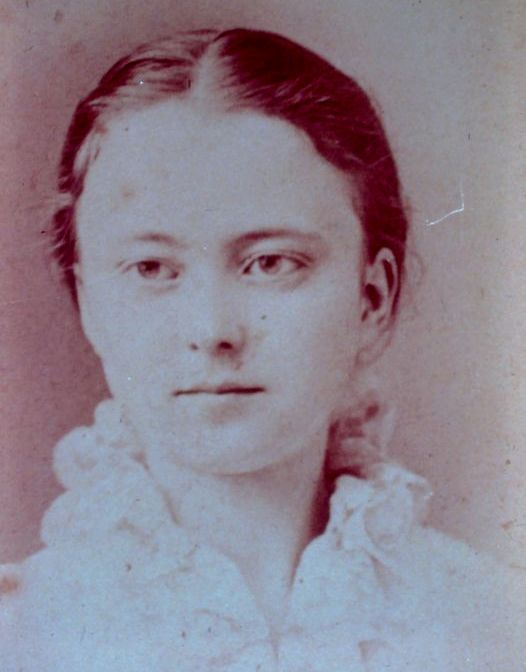
Ellen Clapsaddle, Courtesy of Richfield Springs Historical Association & Museum
“The two most popular signed postcard artists are, of course, Ellen Clapsaddle and Frances Brundage. The Clapsaddle children are the perennial darlings of many collectors; the words ‘charming’ and ‘delightful’ are standing clichés among Clapsaddle aficionados,” read “Picture Postcards in the United States, 1893 – 1918,” a book authored by George and Dorothy Miller in 1976.
The reverse of such postcards often bears an International Art Publishing Co. trademark featuring an eagle landing on a planet, alongside a printing of “New York, Berlin” and “Printed in Germany.” This firm existed between 1895 and 1915, and was a subsidiary of Wolf & Co. and Art Lithographic Publishing Co. that focused on souvenir and holiday postcard production. The latter company was managed by Samuel Garre of New York, who oversaw the subsidiary, enabling the firm to prosper as a significant artist-signed publisher, where cards were printed in Germany. Another representative who she worked for was I. Wolf, Jr. of Philadelphia.
During Clapsaddle’s childhood, she began producing sketches while studying reading and writing. She was considered shy and focused on her artwork, which received support from her parents and teachers. She attended a one-room schoolhouse, followed by the Richard Springs Seminary, whose mission was to prepare female students for higher education, and she was a member of the Class of 1882. Her talent would be further cultivated while undergoing training at Cooper Institute, now known as The Cooper Union for the Advancement of Science and Art in Manhattan’s East Village.
Major Dennis Clapsaddle, a hero of the American Revolutionary War, was her great-grandpa. Her parents were Dean L. Clapsaddle and Harriet Beckwith Clapsaddle, who both descended from Colonial families.
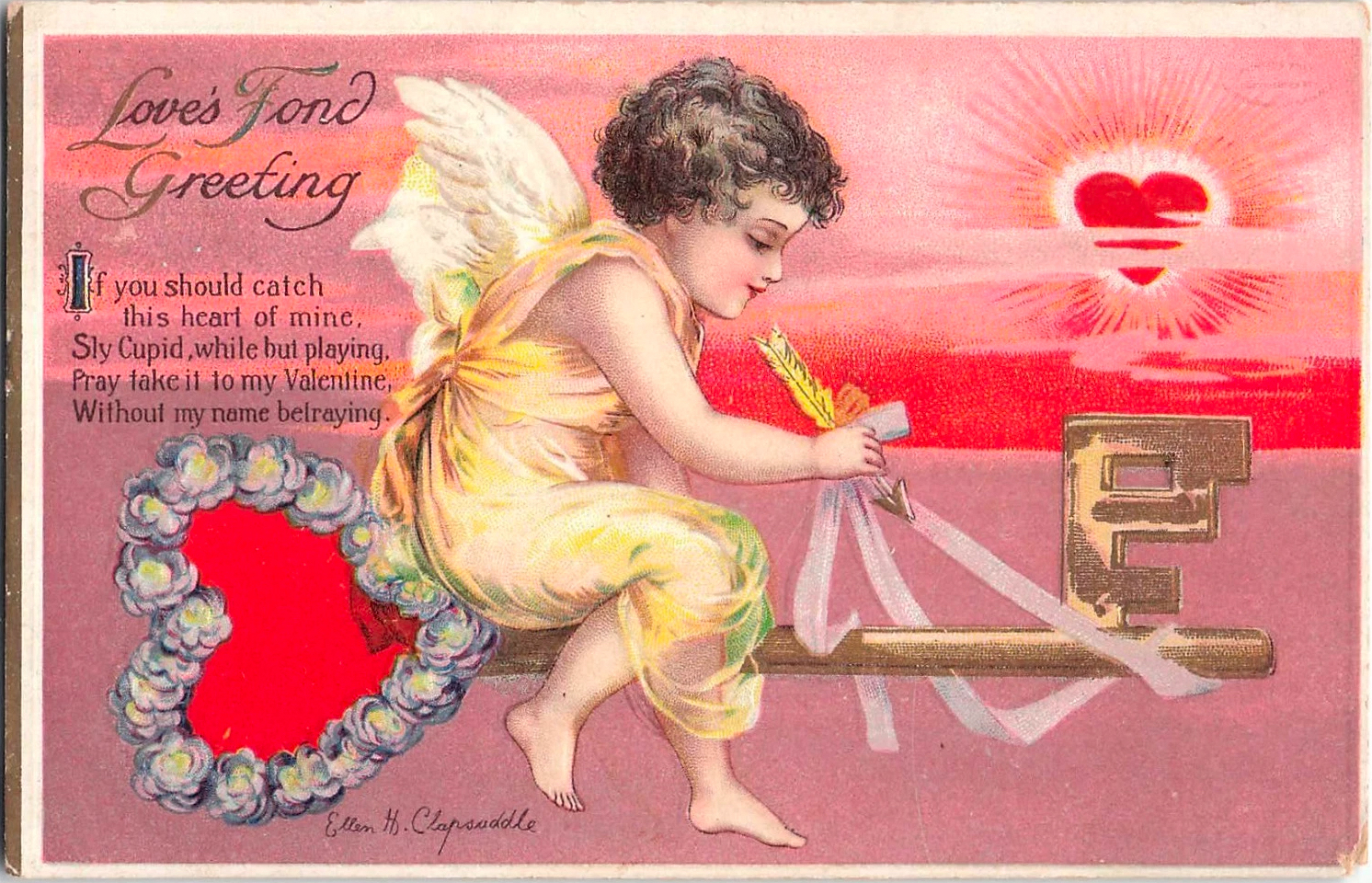
In the 1890s, she operated a studio, and the August 6, 1896 Richfield Springs Mercury ran a review: “There is no more fascinating place in which to spend an idle hour than in the studio of Miss Ellen Clapsaddle, on Main Street. Miss Clapsaddle is of such a retiring disposition that the chance visitor may not realize to what extent Dame Nature has gifted his hostess, but by persevering interest he may be shown all the treasures of the quaint store-house wherein delicate pieces of china, original in design and execution, dainty water-colors or oils are hidden. One of Miss Clapsaddle’s more recent commissions was the designing of a calendar for 1897. In the illustrations, the holidays of each month were chosen as the themes, and the result is indescribably beautiful. She is now at work upon another calendar, and is very busy and very happy among her paintings which embody all sorts of exquisite ideas. Another work which has been greatly admired is a stained glass screen in three parts whose symbolic figures are infinitely pleasing to the eye and to the mind.”
Clapsaddle would commute from New York to Europe for her studies and work pursuits. In 1899, she studied German illustrative technique, becoming additionally familiarized with the lithographic process that enabled the reproduction of her praised artwork. Germany was highly regarded as a center of fine printing and engraving at the turn of the century, and in the early twentieth century, few women were employed as full-time illustrators.
The August 11, 1899 edition of The Otsego Farmer publication featured personal-oriented news briefs. The Richfield Springs category read, “Miss Ellen Clapsaddle, who is a talented young artist and poetess on the staff of the International Art Association, will go to Europe, accompanied by her mother this fall, for a stay of a year or more. All expenses of the trip, and the contemplated art studies are to be borne by the art company.” The January 27, 1911 edition stated, “Ellen Clapsaddle, the well-known artist, is home after five or six years in Germany, where she was employed by the International Art Association, whose productions are famous throughout the world.”
WWI compromised the German publishing industry, and it is believed that when the factory where Clapsaddle achieved the most success was bombed, much of her original artwork was lost (a commonly shared tale). Finances were also compromised, as she invested in postcard production. She relocated to the United States after the war and reportedly faced poverty. In 1920, she resided in an apartment at the notable Beaux-Arts style Prince George Hotel at 15 East 27th Street, and in 1930, resided at 125 East 30th Street. She passed away on January 7, 1934 in the Peabody Home for Aged and Indigent Women in the West Farms section of the Bronx.
If you are a descendant of Ellen Clapsaddle and have photos among documents to share, please email mperlman@queensledger.com